 02 9159 9010

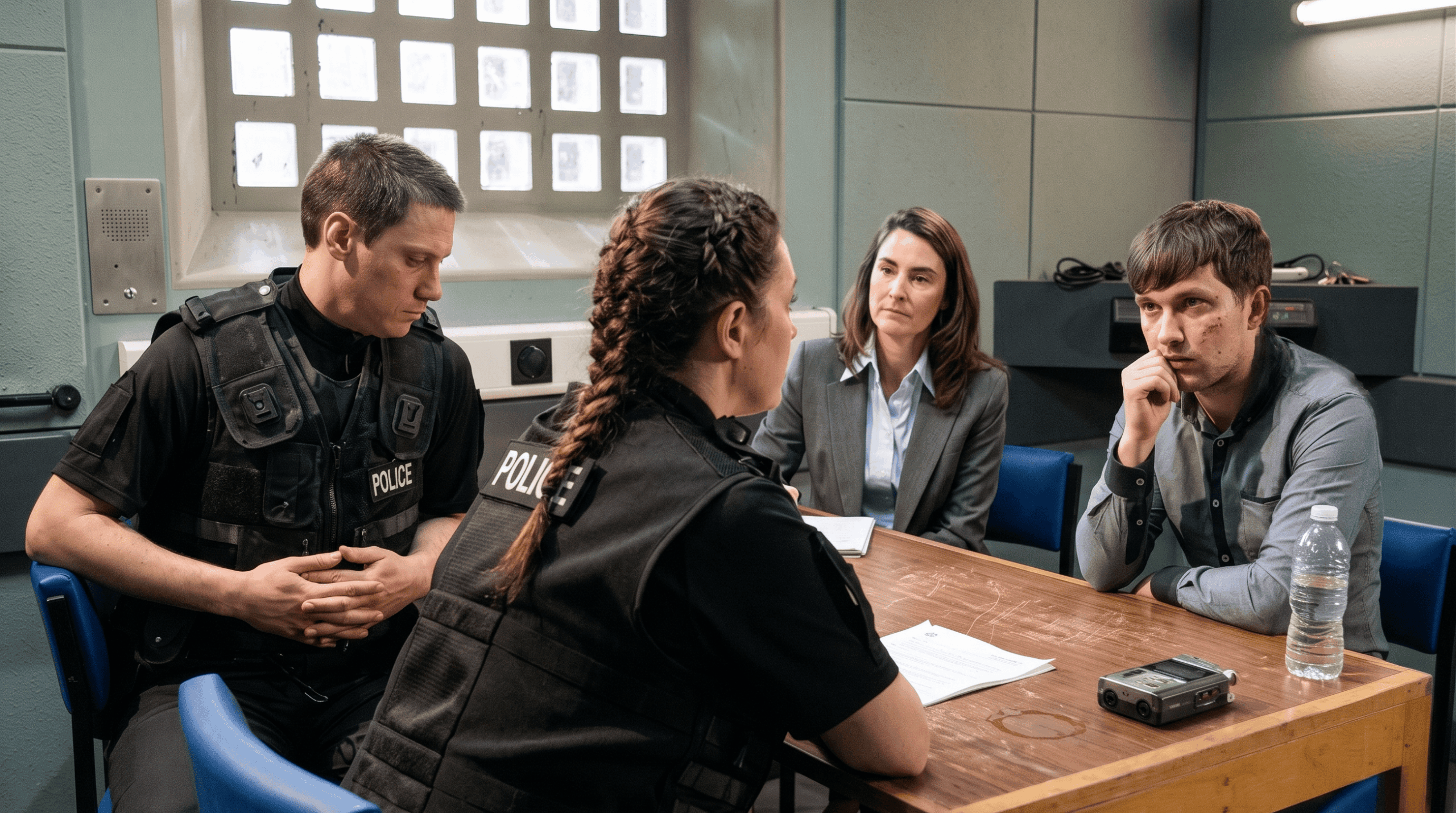
Do You Have to Answer Police Questions? The Right to Silence in NSW
In almost every situation, no. If police in NSW want to question you about an offence, you're allowed to stay silent, and in most cases your silence can't be held against you in court. There are a few narrow exceptions, mostly about giving your name and address, and one that applies to serious charges where you have a lawyer with you. Beyond those, you don't have to explain yourself, argue your case at the roadside, or try to talk your way out of an arrest.
The safest thing to say is that you want to speak to a lawyer before you answer any questions. You can say it politely, and repeat it as often as you need to. Police can keep asking; you can keep declining. What you say in the first hour after being stopped or arrested often matters more than anything else in the case, so it's worth getting right.
What the right to silence actually means
The right to silence means you're not required to answer questions police put to you about an offence they suspect you of. It's a long-standing right, and it's backed by the Evidence Act 1995 (NSW). Under section 89 of that Act, a court generally can't draw an unfavourable inference from the fact that you stayed silent during police questioning. In plain terms, your silence can't be treated as a sign of guilt, and evidence of your silence usually can't even be used for that purpose.
This applies whether police stop you on the street, sit you in the back of a car, or take you into an interview room. You can decline to answer their questions about the alleged offence at any of those stages.
What you do have to tell police
The right to silence doesn’t cover everything. In some situations you have to identify yourself.
- Your name and address, in limited situations. Under the Law Enforcement (Powers and Responsibilities) Act 2002 (NSW), police can require you to give your identity where they reasonably suspect you can help investigate a serious (indictable) offence because you were at or near where it happened, or when they’re giving you a formal direction to move on. Refusing without a reasonable excuse is an offence, with a maximum penalty of about $220.
- More applies if you’re driving. Under the Road Transport Act 2013 (NSW), you must produce your licence and state your name and home address when an officer asks. Refusing, or giving a false name or address, carries a maximum penalty of about $2,200. Give the correct details.
So the practical rule is simple. Identify yourself when the law requires it, then you’re free to decline to answer questions about the alleged offence itself.
The police caution and why it matters
Before a formal interview, police should caution you, to the effect that you don't have to say or do anything, but anything you say or do may be used in evidence. That's not a formality to nod along to. It means exactly what it says. Anything you say can end up in front of a magistrate or a jury, including offhand comments in the car or at the station.
People often assume that explaining themselves will clear things up. In our experience it rarely does. Half-remembered accounts given while you're stressed, tired, or affected by alcohol tend to help the prosecution, not you. Once you've said something, it's on the record, and you can't take it back.
The exception for serious charges
There's one important exception to know about. For serious indictable offences, broadly those carrying five years' imprisonment or more, section 89A of the Evidence Act allows a court to draw an unfavourable inference if you stayed silent about something you later rely on in your defence. But it only bites in narrow conditions. Police must give you a separate special caution, and, critically, an Australian lawyer acting for you must be physically present, and you must have had a real chance to speak with them first. It doesn't apply to anyone under 18.
What that means in practice is reassuring. If you don't have a lawyer sitting with you, this exception can't be used against you. For most people questioned without a lawyer present, staying silent still carries no penalty. That's exactly why getting legal advice before you answer is the sensible move, not a risky one. If you're facing a criminal charge, the right approach to police questioning can shape the defences available to you later.
What should you say to police?
What to do if police want to talk
- Stay calm and polite. Being aggressive or arguing doesn't help you.
- Give your name and address if you're driving or otherwise lawfully required to.
- Say clearly that you want to speak to a lawyer before answering questions, and that you don't wish to take part in an interview until you have.
- Don't sign anything or agree to a recorded interview without advice.
If you've been arrested, you may also face a decision about bail, so getting a lawyer involved early helps on more than one front.
Common questions
Can police arrest me just because I won't answer questions?
No. Silence on its own isn’t a reason to arrest you. Police need a lawful basis to arrest, such as a reasonable suspicion that you’ve committed an offence. Declining to answer questions doesn’t create that suspicion, and it can’t be treated as evidence of guilt.
Do I still have to do a breath test?
Yes. Breath testing is different from answering questions. Refusing a roadside breath test or a breath analysis at the station is a separate offence and carries heavy penalties, including licence disqualification. The right to silence doesn’t cover breath, blood, or urine testing.
What if I already answered some questions before I knew I could stay silent?
It isn’t necessarily fatal to your case. A lawyer can look at how the questioning happened, whether you were properly cautioned, and whether what you said can be challenged or kept out of evidence. Get advice quickly rather than assuming the damage is done.
Speak with a lawyer before you say anything more
If you've been stopped, questioned, or charged, get advice before you say anything further to police. Call Blackridge Law on 02 9159 9010 for a free consultation. We appear in courts across Sydney and NSW, and we can guide you through what to do next.
This article is general information only and not legal advice. For advice about your situation, contact Blackridge Law.