 02 9159 9010

Served With an AVO in NSW? Your Options Explained
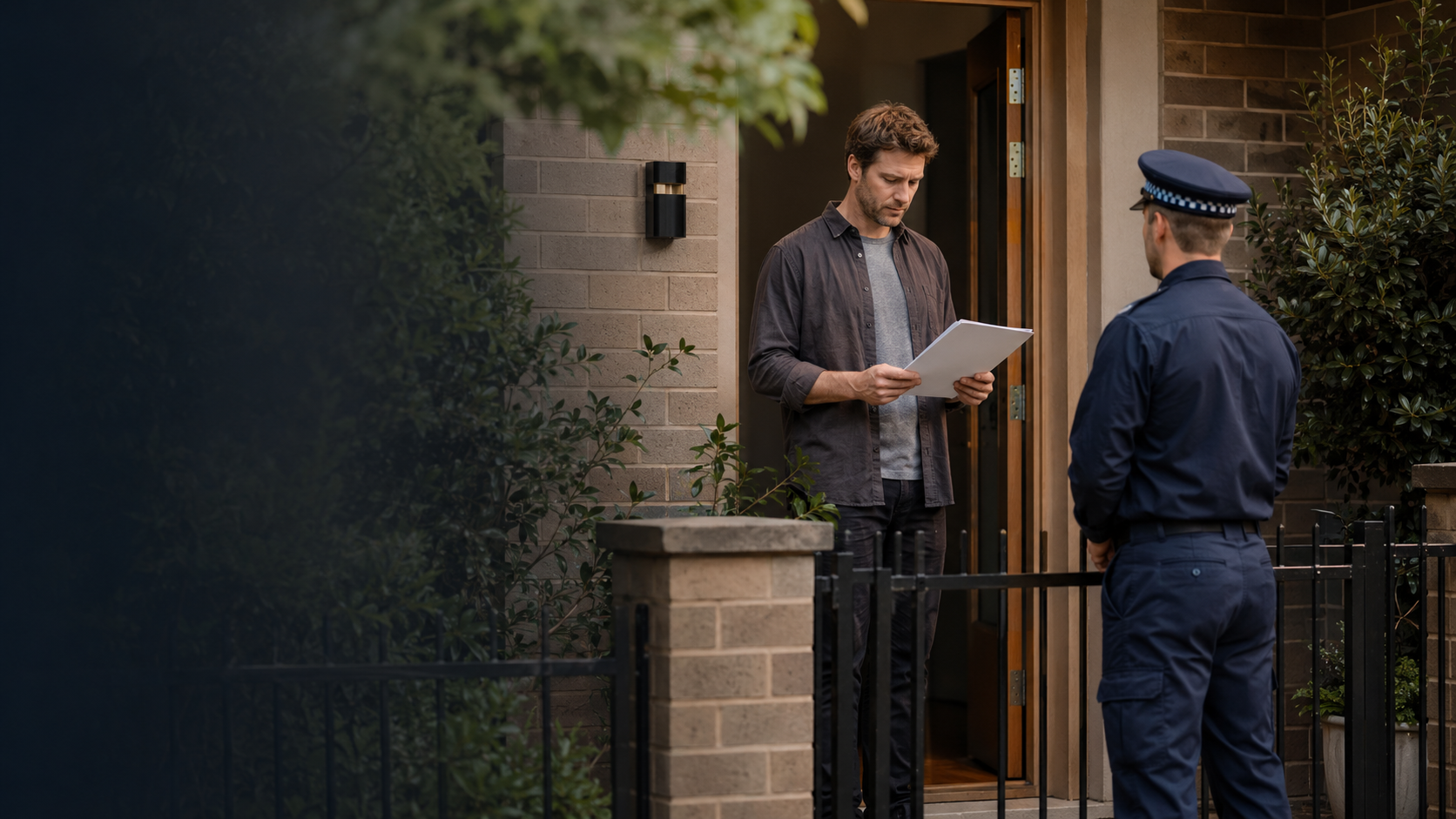
Being served with an AVO is not a criminal charge, and it won’t give you a criminal record. An apprehended violence order is a civil order that tells you to stop certain behaviour towards a protected person, and sometimes to stay away from them. You haven’t been convicted of anything, and agreeing to an AVO is not an admission that you did what’s alleged.
You still have to take it seriously. From the moment you’re served, the conditions apply, and breaking any of them is a criminal offence that can lead to a fine or gaol. You also have real choices: you can consent to the order without admitting the allegations, ask for the conditions to be changed or the order withdrawn, or defend it in court. Which option suits you depends on what the order says and what else is happening.
What an AVO actually is
An AVO is an order of the Local Court designed to protect someone from violence, threats, harassment, stalking or intimidation. There are two kinds. An apprehended domestic violence order (ADVO) is made where you and the protected person have or had a domestic relationship, such as partners, family members or people living together. An apprehended personal violence order (APVO) is made where there’s no domestic relationship, for example neighbours or co-workers.
Most AVOs start with the police. If police believe someone needs protection, a senior officer can issue a provisional order on the spot, which then goes to court. The court can make an interim order to cover you until the matter is finished, and a final order once the case is decided or you consent. A final ADVO usually runs for a set period the court decides, and if the court doesn’t specify one, the default is 2 years for an adult defendant. A final APVO runs for the period the court sets, or 12 months if none is specified.
The conditions you now have to follow
Every AVO includes three standard conditions. You must not assault or threaten the protected person, you must not stalk, harass or intimidate them, and you must not intentionally or recklessly damage their property or harm their animals. These apply to every order, and they also protect anyone the protected person has a domestic relationship with.
The court can add more conditions depending on the situation. Common extra conditions stop you from going near where the protected person lives or works, ban contact except through a lawyer, or prevent you being there after drinking or taking drugs. Read your order carefully, because these extra conditions are where people most often trip up. If the order says no contact and you send a single text, that can be a breach.
What happens if you breach it
Contravening an AVO is a criminal offence under section 14 of the Crimes (Domestic and Personal Violence) Act 2007. The maximum penalty is 2 years imprisonment or a fine of 50 penalty units ($5,500), or both. Unlike the order itself, a breach is criminal, and a conviction goes on your record.
Breaches are treated seriously. If the act that breached the order involved violence against a person, the court must impose a sentence of imprisonment unless it gives reasons for not doing so. That’s why the safest approach after being served is simple: follow every condition to the letter while you get advice, even if you think the allegations are unfair.
Your options
When your matter comes before the court, you generally have four paths. A lawyer can help you work out which one protects your position.
- Consent without admissions. You agree to the order without admitting the allegations are true. The court makes the order, the matter ends without a hearing, and there’s no finding of guilt and no criminal record. Many people choose this to avoid a drawn-out hearing, especially where the conditions don’t interfere much with daily life.
- Negotiate the conditions or the order. You may be able to ask police or the applicant to drop the order, accept an undertaking (a promise to the court) instead, or narrow the conditions so you can keep living at home or seeing your children through proper channels.
- Defend it at a hearing. If you dispute the grounds, you can contest the order. The applicant, usually the police, must prove on the balance of probabilities that the protected person has reasonable grounds to fear you. If they can’t, the order isn’t made.
- Ask to vary or revoke it later. Circumstances change. Either side can apply to change the conditions or end the order, though the court will weigh the protected person’s safety carefully.
Which option fits your situation?
Other things an AVO can affect
An AVO can reach beyond the conditions on the page. If you hold a firearms licence, being subject to an AVO means you can’t keep it, and any firearms must be surrendered. If there are parenting arrangements, AVO conditions and family law orders need to work together, and conditions can usually be written so you can still see your children safely. Some occupations that require a background check can be affected too. If an assault charge has been laid alongside the AVO, that criminal charge is dealt with separately and carries its own risks.
Frequently asked questions
Does an AVO give me a criminal record?
Should I just agree to the AVO to get it over with?
Sometimes consenting without admissions is the sensible call, but not always. If the conditions would stop you living in your home, seeing your children, or holding a firearms licence you need for work, it’s worth getting advice before you agree. Once an order is made, changing it takes a further application.
Can I contact the protected person if they reach out to me first?
Be very careful. If your order says no contact, the fact that the protected person contacted you first is generally not a defence to a breach. The safest course is no contact at all until a lawyer has checked exactly what your order allows.
Get advice before your first court date
The decision you make at the first mention can shape the next two years of your life. If you’ve been served with an AVO or a related domestic violence matter, and it’s listed at a Local Court anywhere in Sydney, call Blackridge Law on 02 9159 9010 for a free consultation. We’ll explain your options and what each one means for you.
This article is general information and not legal advice. For advice about your situation, contact Blackridge Law.