 02 9159 9010

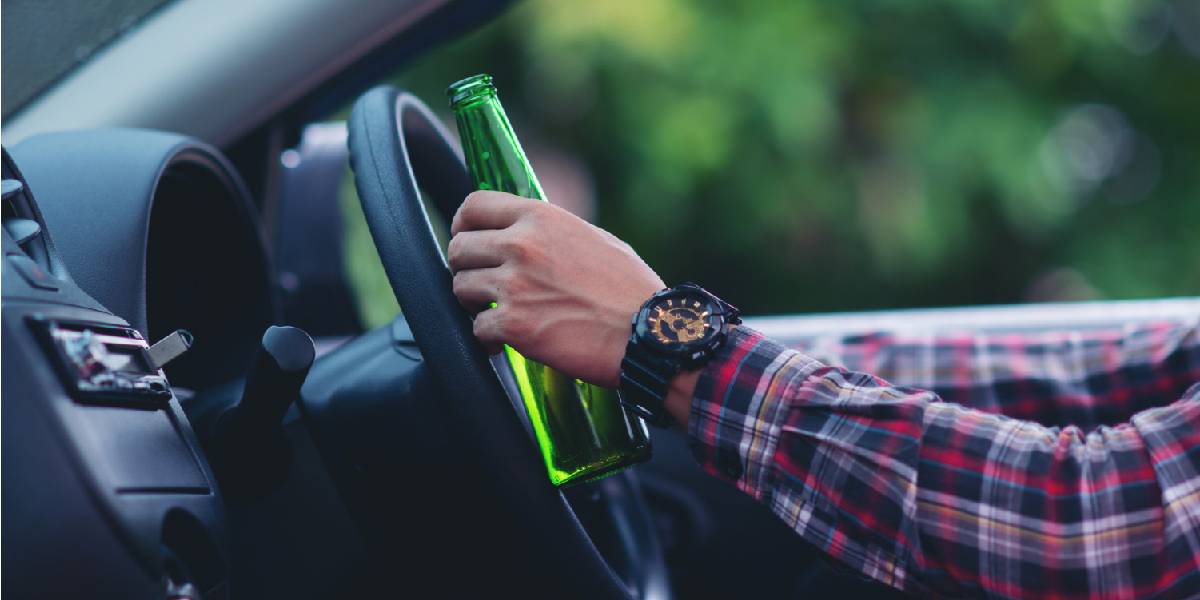
If police issue you a penalty notice for a first low range drink driving offence in NSW, you pay a $722 fine and your licence is suspended for three months on the spot. If the matter goes to court instead and you are convicted, the maximum fine is $2,200 and you are automatically disqualified from driving for six months, which a magistrate can reduce to a minimum of three months. There is no prison term for a low range offence.
What actually happens to you depends on which of two paths your matter takes, and on whether you have a drink driving offence on your record from the last five years.
What counts as low range drink driving in NSW?
Low range means a reading of 0.05 grams or more, but less than 0.08 grams, of alcohol in your breath or blood. That definition sits in section 108 of the Road Transport Act 2013 (NSW), and the offence itself is section 110(3).
Blow 0.08 or above and you are in mid range territory, a different offence with much heavier consequences, including a possible prison term.
One thing that catches people out: you don’t have to be driving. Section 110(3) also covers sitting in the driver’s seat and attempting to start the car, and supervising a learner driver while over the limit.
Two ways a low range charge gets dealt with
The penalty notice
Since 2019, police have been able to issue an on-the-spot penalty notice for a first low range offence rather than charging you and sending you to court. The fine is currently $722.
At the same time, police can hand you an immediate licence suspension notice. Section 224 of the Road Transport Act sets the suspension at three months from the date of the offence for a low range penalty notice.
The upside is significant. You don’t go to court, you don’t get a criminal conviction, and nothing goes on your criminal record. The downside is that three months off the road is not negotiable unless you challenge it, which is where our drink driving lawyers usually get the call.
Going to court
Police can still charge you and issue a court attendance notice, and they usually will if there is something more to the matter, such as an accident, a second offence, or a reading at the top of the range.
If you are convicted in the Local Court of a first low range offence with no other major traffic offence in the previous five years, section 205 of the Road Transport Act says you are automatically disqualified for six months. The magistrate can order a shorter period, but not shorter than three months. The magistrate cannot order longer than six months for a first offence. The maximum fine is $2,200.
A conviction for low range drink driving is a criminal conviction and it goes on your record.
What happens on a second low range offence
If you have been convicted of, or issued a penalty notice for, another major drink or drug driving offence in the previous five years, the picture changes.
The maximum court fine rises to $3,300. Automatic disqualification becomes 12 months, with a minimum of six months if the magistrate orders a shorter period, and no cap on how long the court can order.
More importantly, a second low range offence is a mandatory interlock offence under section 209. That means the court must make a mandatory alcohol interlock order unless you can establish grounds for an exemption under section 212. Under the interlock scheme in section 211, a second low range offence carries a disqualification of one to three months, followed by at least 12 months driving only a vehicle fitted with an approved interlock device, at your cost.
A shorter disqualification with an interlock is not the soft option it looks like. You are tied to the device for a year and you have to fund the installation and monthly servicing.
Can you avoid a conviction?
Yes, in some cases. Section 10 of the Crimes (Sentencing Procedure) Act 1999 (NSW) allows a court to find the offence proven but deal with it without recording a conviction, either by dismissing the charge outright or by placing you on a conditional release order without conviction.
If a court deals with you under section 10, no conviction is recorded, no fine is imposed by the court, and the automatic disqualification in section 205 does not apply, because that section only bites on conviction. You keep your licence.
Courts don’t hand these out as a matter of course. Section 10(3) requires the magistrate to consider your character and antecedents, your age, health and mental condition, how trivial the offence was, any extenuating circumstances, and anything else the court thinks relevant. In our experience, a good driving record, a genuinely low reading, a real explanation for how you came to be over, evidence you have addressed the drinking, and completion of a program such as the Traffic Offender Intervention Program all help. None of them guarantee anything.
Should you court elect a low range penalty notice?
This is the decision most people get wrong, in both directions.
Section 23A of the Fines Act 1996 (NSW) gives you the right to elect to have a penalty notice dealt with by a court instead. Check your notice for the deadline, because it depends on whether you have already paid and whether a penalty reminder notice has been served.
Electing to go to court is worth considering if you have a defence, if the three month suspension would cost you your job, or if you have a realistic shot at a section 10.
It’s a real risk, though. The Local Court of NSW warns that once a court election is accepted you cannot change your mind, and that the court can impose a higher fine than the penalty notice. If you are convicted you also pick up a criminal conviction and a disqualification of at least three months, which is no better than the suspension you started with, plus court costs and a victims support levy. We appear at the courts we attend across Sydney most days.
Get advice before you elect. It turns on your reading, your record, your reasons for driving and how much you need a licence.
Can you appeal the immediate suspension?
There is a right of appeal to the Local Court under Part 7.8 of the Road Transport Act, and section 267 requires the notice of appeal to be filed within 28 days of being notified. These are the licence appeals people usually mean when they ask whether a suspension can be lifted early.
The bar is high. Section 268(5) says the Local Court must not lift or vary an immediate licence suspension unless there are exceptional circumstances, and the court is not allowed to take the circumstances of the offence into account. Needing your licence for work is not usually enough on its own.
Common questions
Will a low range penalty notice give me a criminal record?
No. A penalty notice is not a conviction and does not go on your criminal record. Only a court conviction does.
Do I get demerit points for low range drink driving?
No. Low range drink driving carries a licence suspension or disqualification rather than demerit points, so a demerit point appeal is not the relevant remedy.
Can I get a work licence in NSW so I can keep driving?
No. New South Wales does not have work licences or restricted licences for drink driving. If you are disqualified or suspended, you cannot drive at all for that period.
How long does a low range offence stay relevant?
Five years. Section 205 looks at whether you have been convicted of, or given a penalty notice for, another major offence in the five years before your conviction. After that, the next offence counts as a first offence for disqualification purposes.
Talk to us
If you have been given a penalty notice or a court attendance notice for low range drink driving, call Blackridge Law on 02 9159 9010. Our traffic offence lawyers can tell you quickly whether a court election is worth the risk in your situation, and what a realistic outcome looks like.
This article is general information about NSW law and is not legal advice for your situation.