 02 9159 9010

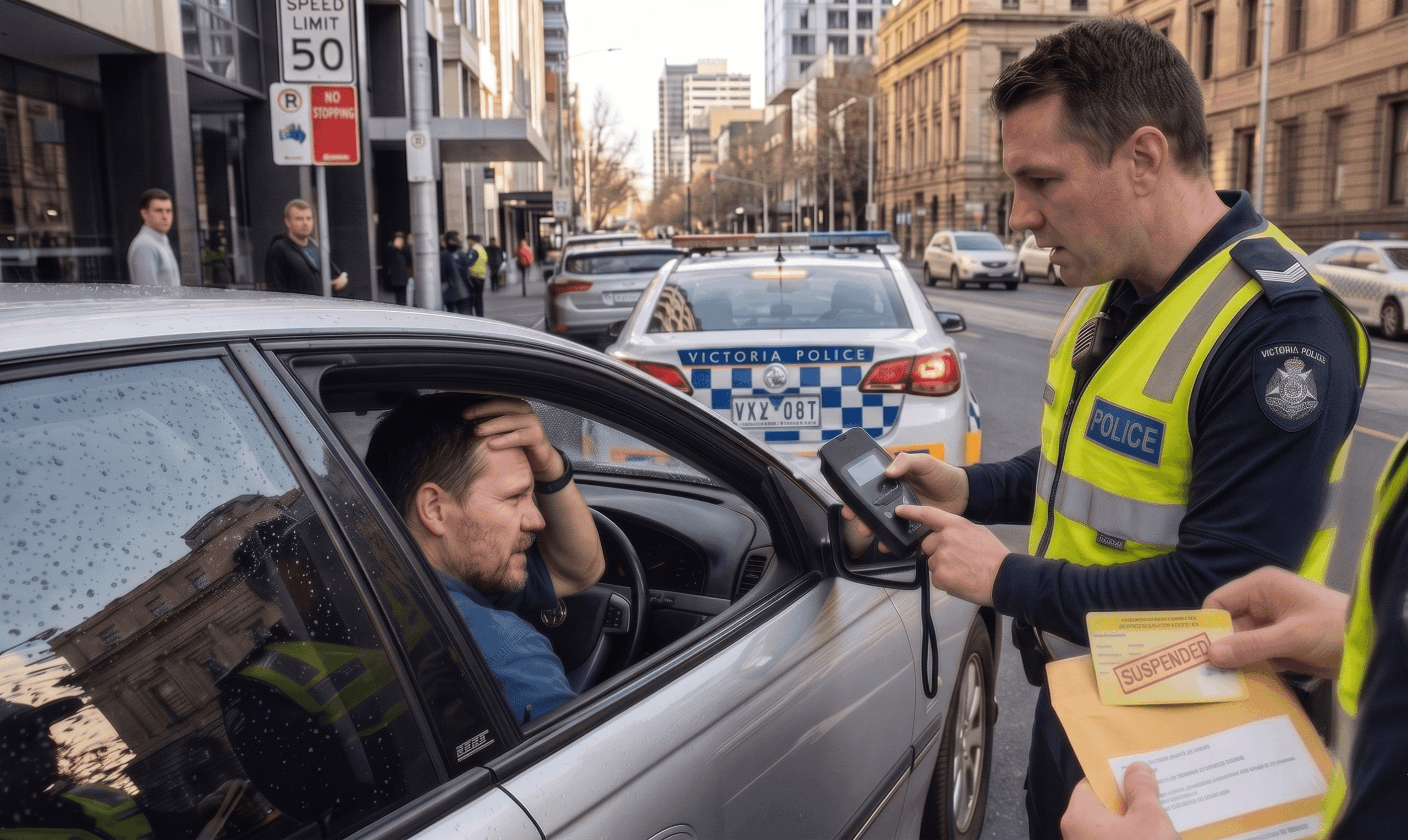
Table of Contents
- Will I Lose My Licence for Mid Range Drink Driving in NSW?
- What counts as mid range drink driving?
- Police will usually take your licence that night
- What the court must do if you are convicted
- Can you avoid the interlock?
- Fines and imprisonment
- The one way to keep your licence
- What to do this week
- Frequently asked questions
- Speak to us before your first court date
Will I Lose My Licence for Mid Range Drink Driving in NSW?
Yes, if you are convicted. A mid range drink driving conviction in NSW carries a compulsory disqualification, and the shortest one available on a first offence is three months. After that you will need an alcohol interlock fitted to your car for at least 12 months before you can drive normally again.
There is one exception, and it is the reason people bring a lawyer to court. If the magistrate finds the offence proven but decides not to record a conviction, no disqualification applies at all.
What counts as mid range drink driving?
Mid range means a reading of 0.08 or more but under 0.15. That is the definition in section 108 of the Road Transport Act 2013 (NSW). The offence itself sits in section 110(4). Police and lawyers usually call it mid range PCA, short for prescribed concentration of alcohol.
Blow 0.079 and you are in low range. Blow 0.15 and you are in high range, which is a much more serious charge with longer disqualifications. The reading that matters is the one from the breath analysis machine at the police station, not the roadside screening test.
Police will usually take your licence that night
Under section 224(1)(b), a police officer can hand you an immediate licence suspension notice as soon as you are charged with a mid range offence. That suspension runs until your case is finished in court, however many months that takes.
You can appeal the suspension to the Local Court, but the notice of appeal has to be filed within 28 days (section 267) and the court cannot lift or vary it unless there are exceptional circumstances (section 268(5)). Needing your licence for work is rarely enough on its own. The court also cannot look at whether you are guilty when it decides the appeal.
The time you spend suspended is not wasted. Section 206B requires the court to take it into account when setting your disqualification, and it counts towards any minimum period.
What the court must do if you are convicted
Mid range drink driving is a mandatory interlock offence under section 209, even on a first offence. A magistrate who convicts you has to make a mandatory interlock order under section 211. The periods are fixed by a table in that section.
First offence
- Disqualification of 3 to 6 months
- Then an interlock driver licence for at least 12 months
Second or subsequent alcohol related major offence
- Disqualification of 6 to 9 months
- Then an interlock driver licence for at least 24 months
An interlock is a breath testing device wired into your car ignition. You blow into it before the engine will start, and again at random intervals while you are driving. A zero alcohol limit applies for the whole program, and you pay for installation and monthly rental yourself.
If you receive an interlock order and simply do not do it, section 211(1)(b) leaves you disqualified for five years from the date of conviction. In practical terms the interlock is not optional.
Can you avoid the interlock?
Sometimes. Section 212 allows a court to make an interlock exemption order, but only in narrow circumstances: you have no vehicle to fit a device to, or a medical condition prevents you from providing a sufficient breath sample, or (for a first mid range offence only) an interlock order would cause severe hardship and an exemption is more appropriate in all the circumstances.
Section 212(5) is blunt about what will not work. Not being able to afford the device, or being unable to drive for work, is not enough on its own, except in that first offence mid range category.
An exemption is not a free pass. If you get one, section 205 applies instead: automatic disqualification of 12 months, which the court can shorten to no less than 6 months, or extend.
What would the interlock mean for you?
Fines and imprisonment
The maximum penalty for a first mid range offence is 20 penalty units or 9 months imprisonment, or both. A penalty unit is $110 under section 17 of the Crimes (Sentencing Procedure) Act 1999, so the maximum fine is $2,200.
For a second or subsequent offence the maximum rises to 30 penalty units, being $3,300, or 12 months imprisonment, or both.
Maximum penalties are reserved for the worst examples of the offence. Mid range matters in the Local Court are commonly dealt with by a fine and a disqualification rather than imprisonment, but the result turns on your reading, your record, the circumstances of the driving and how the case is presented.
The one way to keep your licence
Section 10 of the Crimes (Sentencing Procedure) Act 1999 lets a court find the offence proven and then deal with you without recording a conviction. The court can dismiss the charge outright under section 10(1)(a), or discharge you on a conditional release order under section 10(1)(b).
Both the disqualification rules and the interlock rules are triggered by a conviction. So a section 10 means no disqualification, no interlock and no conviction recorded.
It is not easy to get and it is never automatic. Section 10(3) directs the court to consider your character, record, age, health and mental condition, how trivial the offence was, the circumstances behind it, and anything else the court thinks proper. Courts treat drink driving as serious, so you need a real reason to be dealt with differently from everyone else who blew the same number.
Things that commonly help: completing a traffic offender program before your sentence date, a reading at the lower end of the mid range band, a clean record, evidence that you have addressed your drinking, character references, and an early plea.
What to do this week
Ask for the police facts sheet and your traffic record, and read both. Check the timing of the breath analysis, because clause 2 of Schedule 3 to the Road Transport Act says police cannot require a breath test or breath analysis more than two hours after the driving. Enrol in a traffic offender program now rather than the week before court, since magistrates notice the difference. Then get advice on whether to plead guilty and when.
Frequently asked questions
How long will I actually be off the road for a first mid range offence?
At least three months of disqualification, followed by an interlock licence for at least 12 months. You can drive during the interlock period, but only in a vehicle fitted with the device.
Can I get a work licence in NSW?
No. NSW does not have work licences or restricted licences for drink driving disqualifications. The interlock driver licence is the closest thing, and it only becomes available once your disqualification period has finished.
Does the time police suspended me count towards my disqualification?
Yes. Section 206B requires the court to take the suspension into account, and it counts towards any minimum disqualification the court must impose.
Will I have a criminal record?
A mid range drink driving conviction goes on your criminal and traffic record. If the court deals with you under section 10, no conviction is recorded.
Speak to us before your first court date
Every mid range matter turns on the detail: the reading, your record, what was happening that night, and how the case is put to the magistrate. Blackridge Law appears in Local Courts across Sydney on drink driving matters every week, and the first consultation is free.
Call 02 9159 9010 or email info@blackridgelaw.com.au to talk through your options.
This article is general information about NSW law and is not legal advice. Get advice about your own circumstances before you decide how to run your case.